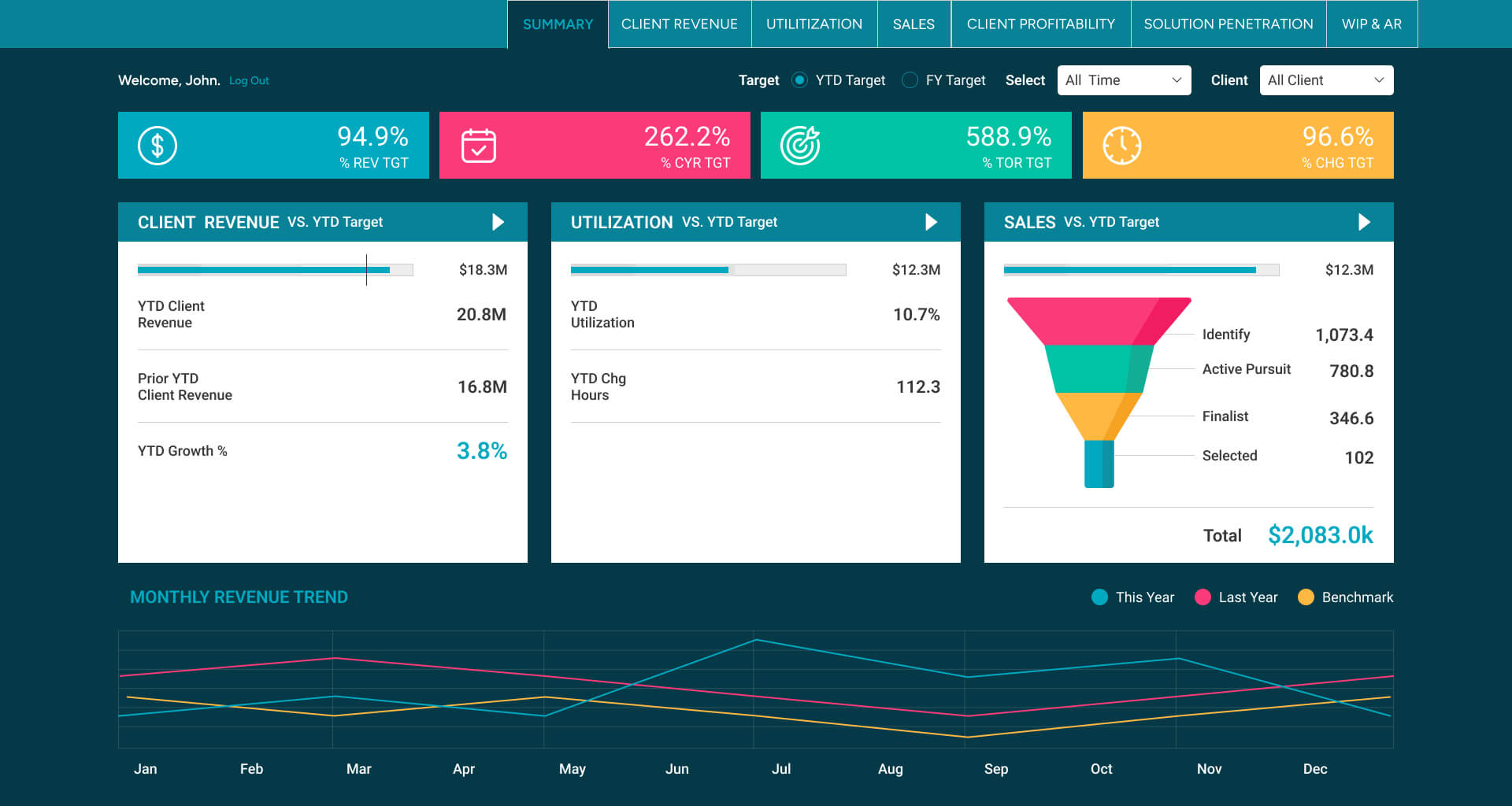
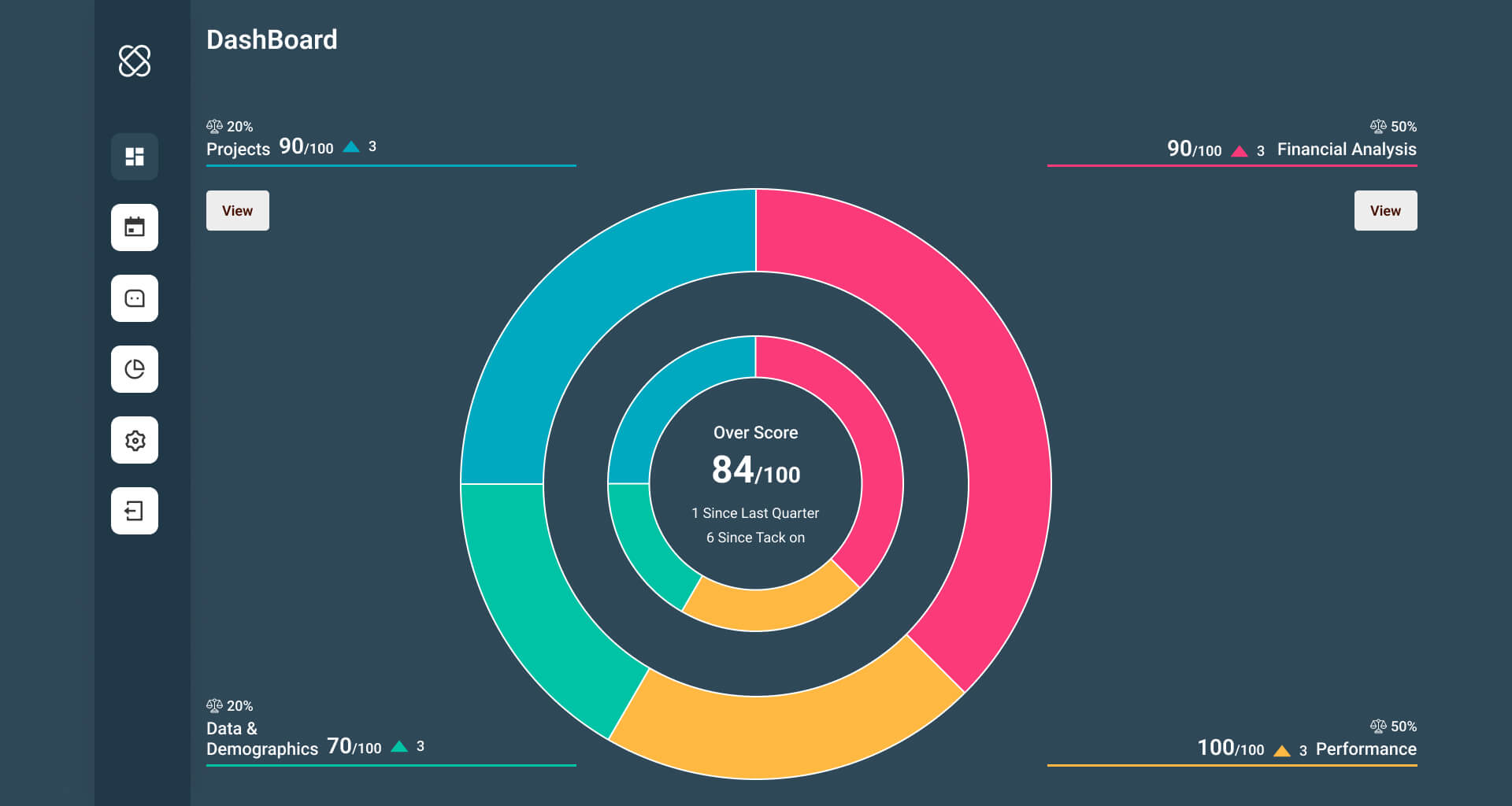
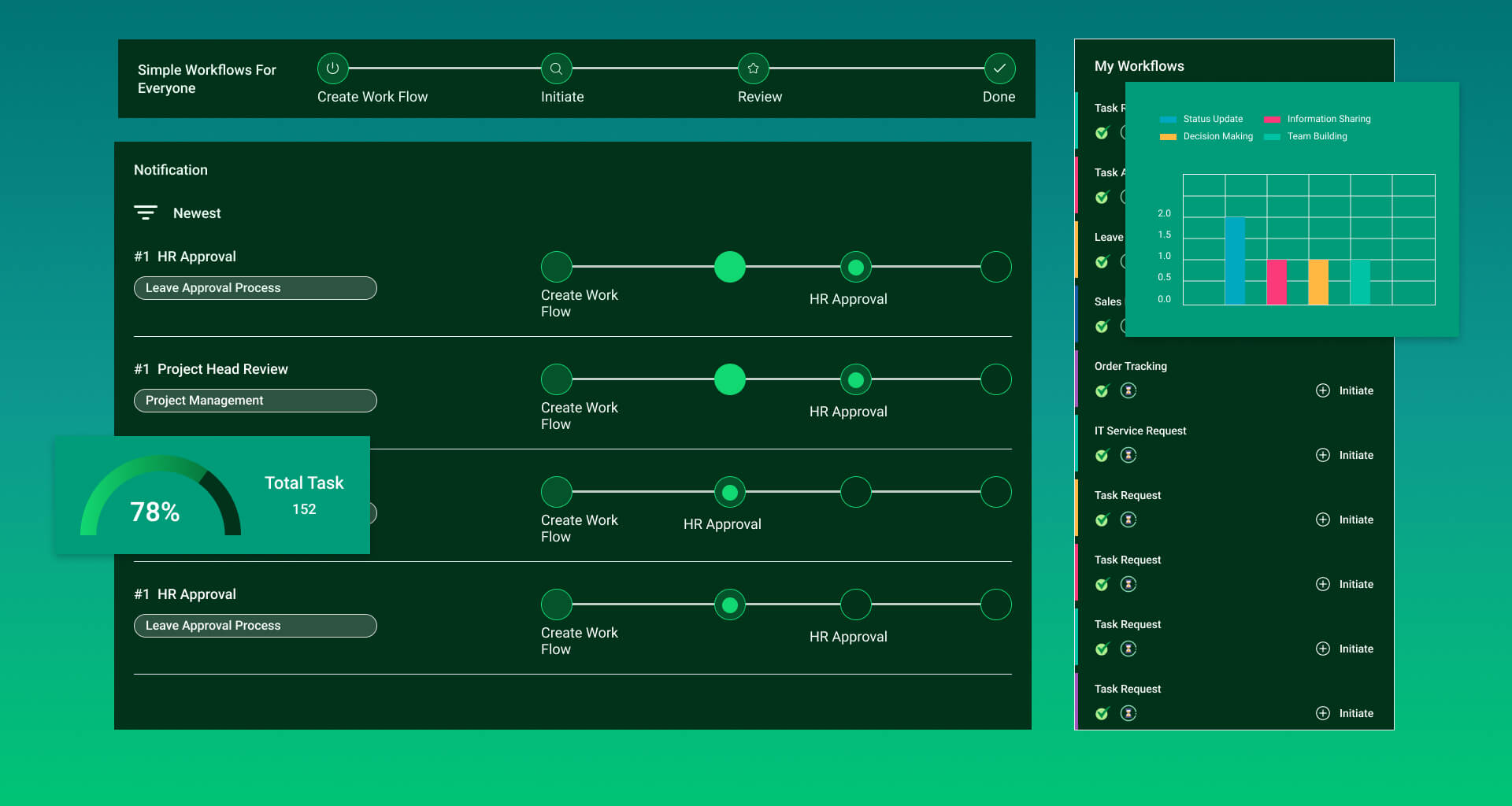
KPOData is a configurable platform and delivery team. We replace spreadsheets, email chains and undocumented scripts with workflows that capture the data, apply the rules, route decisions to the right people and keep a reviewable record of what happened. Built first for financial services, and proven in asset management, ESG reporting and ergonomics.
UNLOCK BUSINESS
DATA CONNECTIVITY
UNLOCK QUICK &
EASY DEVELOPMENT
UNLOCK PROCESS
AUTOMATION
In most financial-services teams the riskiest processes are not the complex ones. They are the ones nobody has had time to fix:
1
Client onboarding that runs on email attachments and checklists.
2
Paper and PDF statements that are keyed in by hand.
3
Reconciliations held in spreadsheets that only one person fully understands.
4
Regulatory and vendor evidence that is assembled by hand before every review.
The common thread is not the software. Data arrives from many places, decisions are made along the way, and nobody can easily show later what was checked, by whom and why. KPOData grew out of exactly this
Financial services
Asset and fund managers, family offices, payment and fintech firms, insurers and their service providers: onboarding, document capture, reconciliation, reporting and regulatory evidence.
Teams that must collect, calculate and defend reported figures. GreenKPO applies the platform to carbon accounting and sustainability reporting.
Health, safety and ergonomics
Organisations that schedule assessments, collect structured survey data, approve outcomes and report across large user populations.
Operations in other regulated sectors
Any team whose process combines data capture, rules, approvals and a need to show its working.
KPOTrust – Reconcile, validate, and govern financial data across Stripe, bank, and ERP systems
GreenKPO – Automate carbon reporting across Scope 1, 2, and 3 with full audit traceability
Design, Build And Deploy Customer Applications
What the platform does
You can focus on the functionality and user experience, while the platform takes care of the underlying code.
Recieve regular updates delievered straight to you inbox, it’s quick easy and free.
KPOData workflows, forms, rules and approvals are defined as configuration on a shared engine, not hand-coded for each client. A new workflow therefore starts from proven components, and a change to a rule, field or approval step can be made, tested and released without rebuilding the application. The same engine runs products as different as GreenKPO and KPOTrust.
Typical patterns for financial-services teams. Scope and controls are agreed for each engagement.
STEP 1
Structured intake, document capture, validation, review and approval, with a clear status and history for every client file.
Client onboarding
STEP 2
OCR capture of paper and PDF statements into validated records and a central data layer ready for reporting.
Document to data
STEP 3
Matching payment, bank and ERP data, classifying breaks, recording how each was resolved and producing a reviewable pack. See KPOTrust below.
Reconciliation and validation
STEP 4
Collecting, reviewing and tracking evidence for technology-risk, vendor-risk and operational-resilience reviews, for example under MAS TRM or DORA. KPOData supports the evidence process; the firm owns its compliance position.
Regulatory evidence
Reviewers and auditors should not have to take a process on trust. Depending on the project, KPOData workflows can include:
KPOData can also help UK organisations implement AI-assisted steps within controlled business workflows, with agreed human review, approval and evidence requirements.
Explore controlled AI workflows for UK organisations
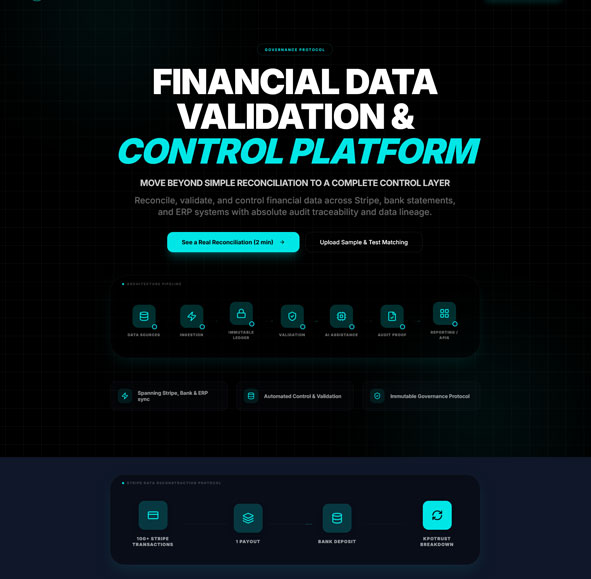
KPOTrust is a financial-data reconciliation and validation product built on the KPOData platform. It is designed to help finance teams bring payment, bank and ERP data into a reviewable reconciliation workflow. KPOData provides the configurable platform and delivery capability behind the product; KPOTrust has its own product scope and features.
GreenKPO is a second product on the same platform, applying it to carbon accounting and ESG reporting.
Typical patterns for financial-services teams. Scope and controls are agreed for each engagement.
1
Map the current process, users, data, exceptions, evidence needs and desired outcomes.
Discover
2
Agree the workflow, roles, controls, screens, integrations and acceptance criteria.
Design
3
Configure and extend the solution, test normal paths and exceptions with your users, resolve agreed issues.
Build and test
4
Deploy, document, train users and agree the ongoing support and change process.
Launch and support
KPOData has built workflow applications for an asset-management company, an ergonomics consultancy and the GreenKPO carbon-accounting product.
CASE STUDY 01
A long-established asset-management company relied on disconnected systems and growing manual work, with limited visibility of its operations. KPOData delivered workflow automation, OCR capture of paper statements, customer onboarding modules and a central data layer for reporting.
Capabilities: Capture, Configure, Control, Connect, Communicate
Asset-management workflow digitisation
CASE STUDY 02
A workplace and industrial ergonomics consultancy had data spread across separate platforms and no automated reporting. KPOData connected its existing tools into a single platform with automated scheduling, reporting and approvals, built-in survey tools, and separate user environments for internal teams, clients and their employees.
Capabilities: Capture, Configure, Connect, Communicate
Ergonomics operations platform
CASE STUDY 03
GreenKPO is a carbon accounting and reporting product built on the KPOData platform, from concept to MVP. It includes data integration, automated reporting and dashboards, and AI-assisted analysis.
Capabilities: Capture, Calculate, Connect, Communicate
GreenKPO product build
Your Business Growth Awaits